This is another record left behind by my old flatmate Jonny years ago. Thank you Jonny for leaving this behind as it’s a good one.
I came to Bright Eyes slightly too late in life. I first started listening when I was 18, and got really into him at about 19/20. I think if I had of been a fan at 16 I would have a stronger connection now. There are a few pieces of nostalgia other people have that I am a bit jealous of, and having a deep connection to Bright Eyes is one of them. I do still really like the music but I do feel like there’s teenage strong feelings I’m missing.
This is a collection of B Sides and Rarities. It’s 2 LPs and is quite long. As most B sides and rarities album the quality of tracks on this vary in quality. There’s some tracks that are forgettable but there are also some of the best Bright Eyes songs ever. I tend to like the quieter more spacious ones than the noisier ones.
There’s a song called Hungry for a Holiday on the vinyl edition of this, but isn’t on the streaming version (you can find it on youtube though), and it’s my favourite Bright Eyes song ever. When I looked it up it was made with a band/guy called the Album Leaf who I did listen to at 16, so maybe that’s why it resonates with me so much.
Conor Oberst has a couple of distinctive vocal fragments that he returns to again and again, and while listening to this my mind constantly gets pulled into other Bright Eyes songs.
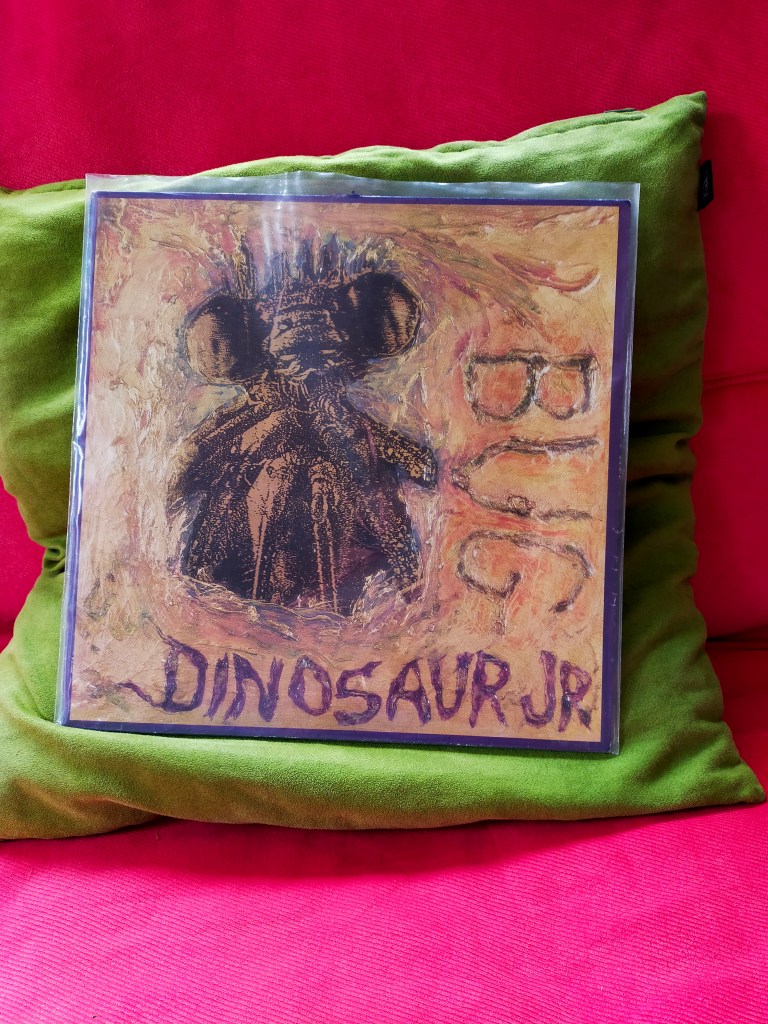
Dinosaur Jr are probably my second favourite of that late 80s wave of punky alt rock American bands. By that wave I mean the bands covered in the book Our Band Could Be Your Life which I read last year.
A lot of those bands were really important to me in my late teens/early 20s, and reading the book made me revisit them. Out of the bands in the book only Replacements, Dinosaur Jr, Butthole Surfers, and Fugazi (in that order of how frequently I listen to them) have been bands I’ve actively listened to in the past 8 or so years.
(I have a half written blog post about Slint’s Spiderland which covers some of the feelings I have revisiting some of the music I was really into in this era of my life in which there are parts of myself I’m deeply ashamed of, which I’ll eventually finish.)
One thing the book highlighted for me is how much the success of R.E.M. coming from an indie label, signing to a major and becoming massive, influenced the American underground scene. It opened up a pathway, with a tiny chance to become superstars, which combined with a hyper masc culture amplified the narcissistic tendencies to make a lot of men pretty unbearable.
As far as characters from the book went J Mascis was not as bad as some of the others, but being in a band with him sounded awful. He basically ignored them entirely, never acknowledging anything but their flaws.
This is shown in a cruel joke on the final track on this record Don’t, the heaviest song on the album. Written by J Mascis for Lou Barlow to sing, the only lyrics are ‘Why Don’t You Like Me‘ which Barlow repeatedly screamed with so much intensity that he coughed up blood after recording. Both trying to impress J Mascis and emphasise the question given to him. Mascis kicked Barlow out of the band soon after the album was released.
Since the book was published then original line up has reformed so I hope there have been amends made.
While the aggressive masc energy is here, it’s somewhat balanced by an emotional heart on sleeve vocals and a shoegazy wall of sound (it could almost be called dream pop at moments if it wasn’t for the ever constant soloing.) The rhythm section feels so big, which is impressive considering how much the guitar dominates.
This is probably my third favourite record of theirs (After Where You Been, ahead of You’re Living All Over Me) but the only one I own.
I think the emo tinge is what has kept Dinosaur Jr in rotation over their peers. I don’t have any other records from any bands in the book (I would buy a Replacements one if it came up somewhere for a reasonable price) as they usually are expensive, and I have mixed feelings about how they make me feel, even if I do still like them.
Every Record I Own: Peter Jefferies: The Last Great Challenge in a Dull World
Peter Jefferies is likely the artist that plays on the most records in my collection. He was the drummer in every Dunedin band around 1990. I have records from his earlier bands with his brother, a bunch of his solo stuff. He also produced a lot of the Xpressway records work from that era. In my early 20s I was a massive fan, which was only amplified by the mystery of him giving up music in the early 2000s, returning to his small home town in Taranaki and never appearing again.
This is his first solo record, and maybe the best thing her ever did?
Back when I listened to a lot more challenging music on a regular basis, I considered this album quite… beautiful. The type of easy to listen to thing I could (and did) put on at a chill afternoon board games hang out.
That really shows a. how depressed I was b. the patience of my friends and c. the big change to my music listening habits over the last 5 or so years. Because this album is quite an uncomfortable experience.
I can see why I thought it was more easy listening than it is. There’s a song which is a cappella except for the sound of someone making a cup of tea in the background.
Most of the songs don’t have loud distorted guitar (except there are some songs that definitely do) and they’re not heavy or rocky in a traditional way. Most the songs are built out of piano lines, which has generally been an instrument I associate with ‘nice gentle’ music.
But the piano lines repeat endlessly, occasionally signalling a hopefulness, but more frequently a whirlpool-esque downward suction. and the lower chords act like a kick drum, holding the beat and pushing the song forward.
There’s also the typical use of hiss and noise and backwards guitars that pop up in every Xpressway adjacent 4 track recording from the era. There’s a low frequency throb or hum through the album, which often occurs in lo-fi tape recorded music, which has disappeared in most modern production.
His slow deep (baritone? bass? idk) vocals add a calmness, albeit a sad one.
There is a convincing argument that Fate of the Human Carbine is one of the best ever songs to come out of New Zealand. It’s about a sad life of a sad man that is expressed perfectly through it’s lyrics and music. Peter Jefferies sings almost monotone over a droney finger picked guitar, while other instruments (piano, guitar, mandolin(?)) pop up one at a time over to add a couple of bars of emotional weight, to the otherwise apathetic feel of the song. Towards the end of the song a distorted guitar taking the secondary instrument position and completely overwhelming the droney guitar.
It has been covered by Cat Power (cool) and Amanda Palmer (…) but Peter Jefferies version is the best imo.
Amanda Palmer did convince him to come out of retirement/isolation, which led to him touring and me seeing him perform so I will spontaneously stand up and applaud her for that.
Songs such as Fate of the Human Carbine could easily be enjoyed by a wider audience, and compared to a band like the Dead C it is quite accessible, but it is more of an uncomfortable listen than I remembered it being.
I still love this record, but I can’t imagine it coming back into my super regular rotation again anytime soon. I’m less likely now to put on music that makes me feel so uncomfortable on a day to day basic. And I wouldn’t put my flatmates or friends through that like I was willing to in the past. But it’s an album that I’ll come back to every six months or so when I’m alone and I hope that I’ll be able to keep seeing those beautiful things in it that I did in my early 20s.
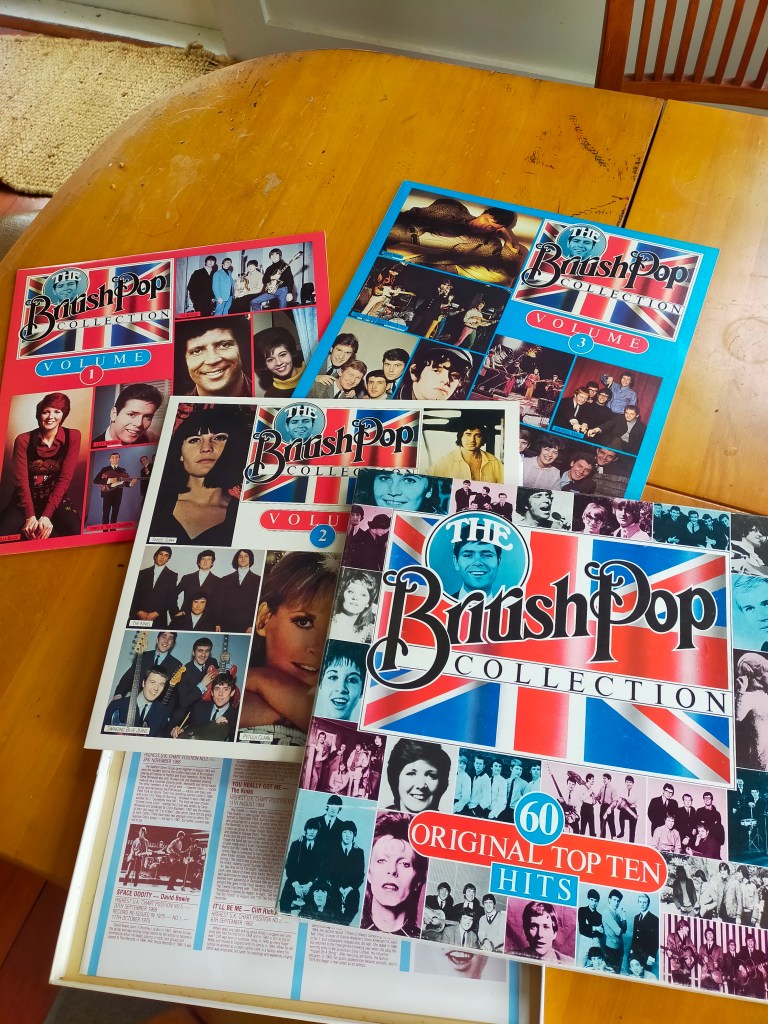
Every Record I Own: The British Pop Collection – 60 Original Top 10 Hits
A good compilation is a rare thing for some reason. As someone who spent years doing radio shows and making mixtapes and playlists for friends and crushes, ordering songs so they flow nicely into each other while playing a diverse range of genres and artists is something I love.
There are surely millions of people in the world who like doing this and are good at this. So why is the track listing in so many compilations so bad! There are lots of great songs. But I would never chose to listen to those songs in this order.
This is a three record set of top 10 British songs from the 1960s, it was bought by an old flatmate and I don’t it was really ever listened to, and has been ignored for the last few years.
As opposed to some other similar compilations I’ve come across in my time, this one sounds pretty good. Even though it’s 10 songs per side It doesn’t sound badly compressed or mastered in order to squeeze as much as they can onto the space available. There isn’t terrible mono-to-stereo conversions and it’s in decent condition.
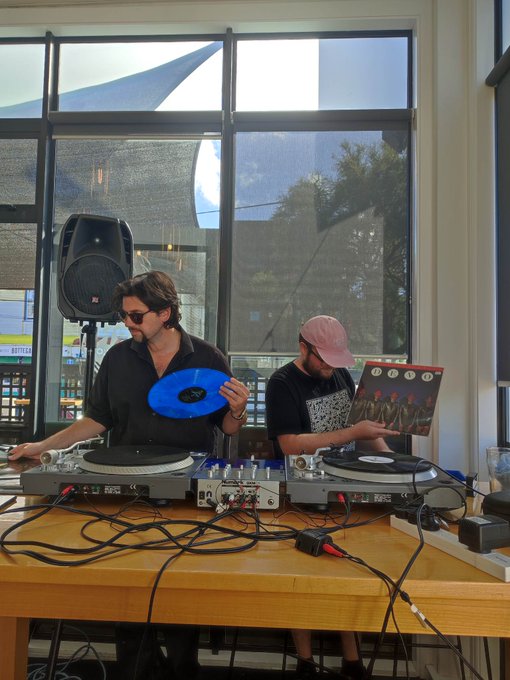
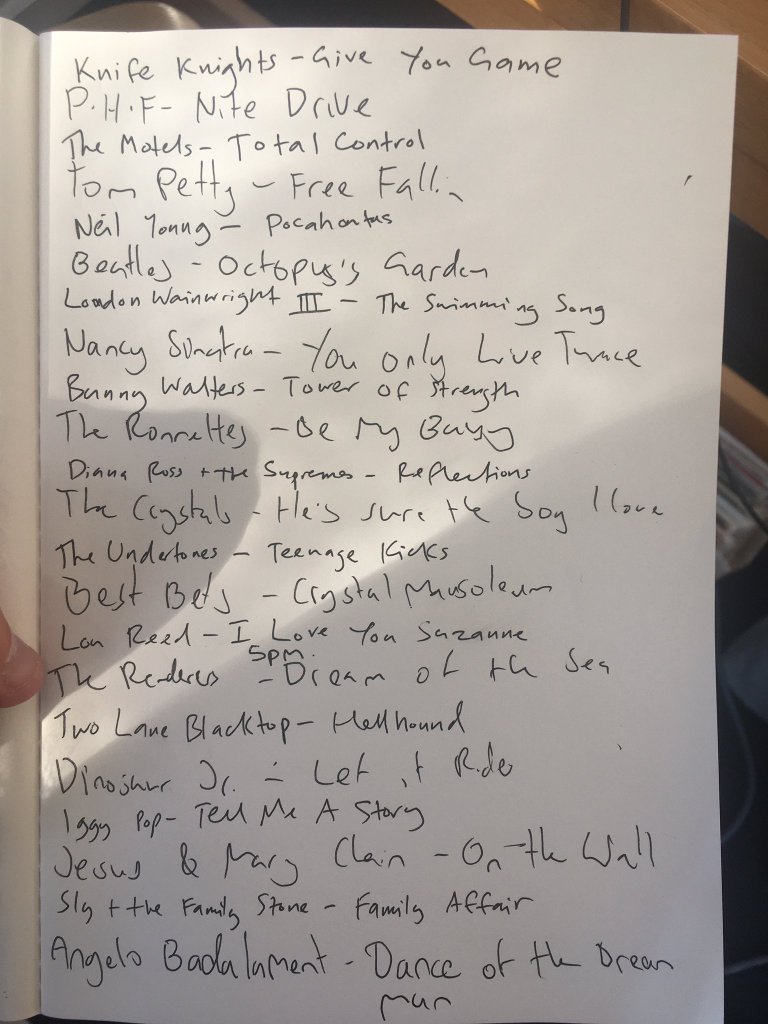
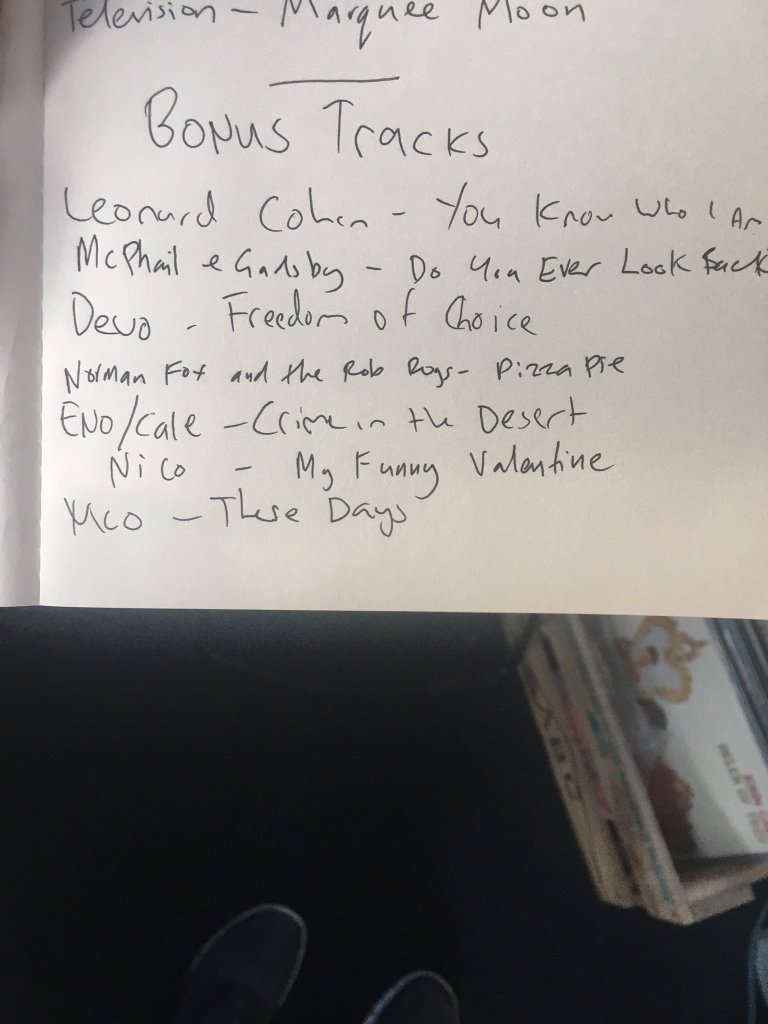
I’m going to donate it to the house records at the Sprig and Fern in Berhampore when I DJ there this Sunday. While I wouldn’t play these songs in this order, there are plenty of songs on here that would work really well in amongst other songs.
(I didn’t listen to this one all in one go, have been doing a side at a time throughout the week.)
Fave songs: The Searchers – Needles and Pins, Dusty Springfield – I just don’t know what to do with myself, The Troggs – With a girl Like You, David Bowie – Space Oddity
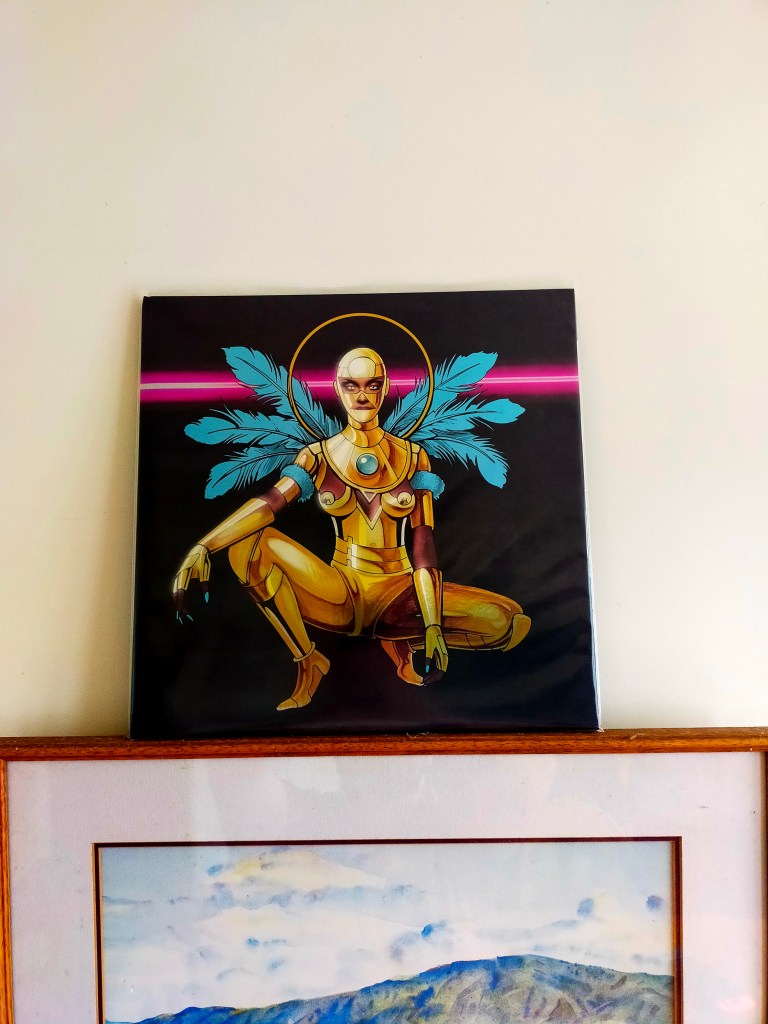
I discovered Dawn Richard (or DΔWN or DAWN) when I was doing a daytime radio show on Radio Active in 2015/2016. There were a couple of singles she released through the adult swim singles series, which always was worth listening to when creating my playlist for the week, that I really loved.
Since then I’ve kept up with her releases. I’ve never been a mega fan, and nothing of hers went into my regular rotation, but I was always interested in what she was up to.
She never releases anything boring. She collaborates with artists quite far out of the pop/r&b/electronic/hip hop genre that she usually releases work herself in. She is able to bend genres into each other really organically. Her work is always interesting and innovating but never in a way that makes it more interesting than fun.
I listened to this when it first came out, but I can’t remember if I listened the whole way through. I was probably listening on headphones on the bus, or at my computer. I felt the way I do about all of her music which is ‘it’s good’. But then I never went back to it.
This record came up on sale over summer and I bought it on a whim. One thing that I like about records is that it makes you spend time with an album. I have listened to it loud in a room while hanging out, while making dinner, with friends and flatmates, alone.
When I write these blog posts I usually listen to an album a couple of times, more closely than I usually do (especially if it hasn’t been a long time favourite that I have listened to a million times), and this is one of the ones that has impressed me the most at a closer listen.
Second Line is I guess an electro-pop record, but blends in hip hop drums, r&b guitar, harsher synth sounds than you would expect, manipulated, distorted and pitch shifted vocals as well as the pop-r&b vocals that sometimes almost mold into rap.
Although genre in pop music is well and truly dead at this stage where anything can and does work. Dawn Richard does that better than almost anyone else.
Her career began with a reality tv show, then as a girl group signs to Bad Boy records. I don’t know how someone who is so charismatic and talented didn’t explode as a pop star, but the level of control she is allowed with an indie label gave us this album.
fave tracks: Mornin | Streetlights, The Potter, Bussifame, Jacuzzi
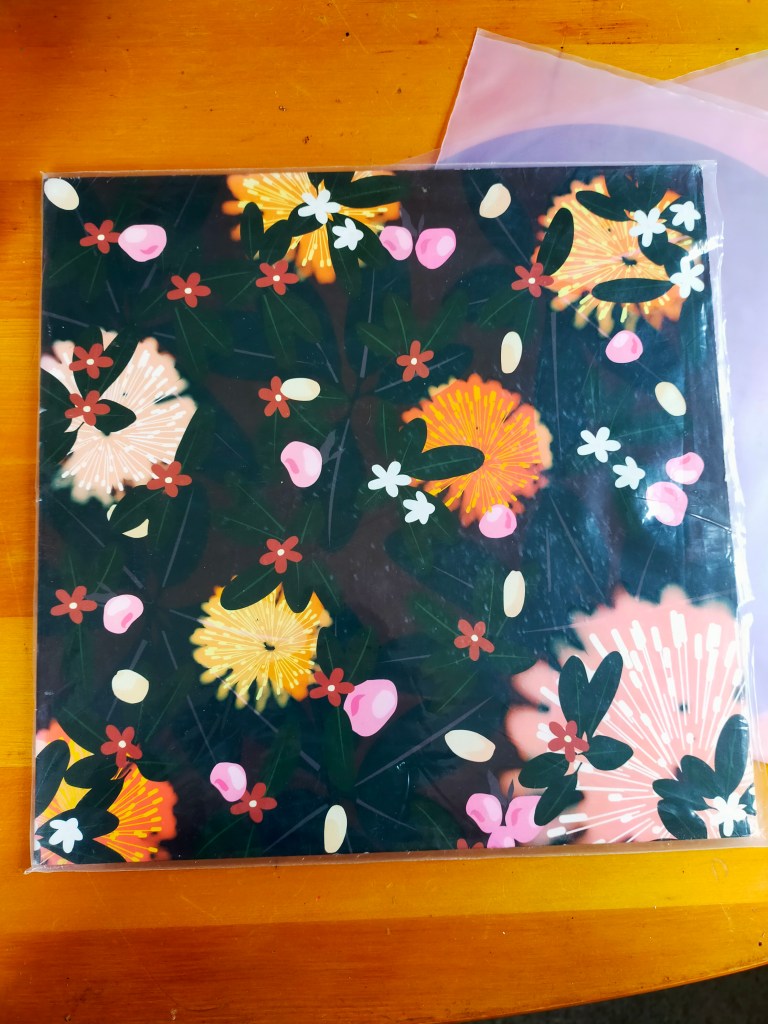
There’s a moment in Contact, the first song on this album where the acoustic guitar ends and the sustain rings out, the gentle breathy vocals finishes the rest of it’s word, closely followed by a distant scream and a couple of bars of distorted guitar to wrap up the song.
I was a huge fan of Capacity, Big Thief’s previous album. (And Masterpiece, but not to the same extent.) Capacity felt like a band serving the needs of the song. It was full of beautiful but safe instrumentation. Nothing was out of place and even in the louder moments in the album everything felt planned and orchestrated.
Compared to other artists I associated them with at the time, Big Thief were always a bit more sonically experimental. Their production was richer and Adrienne Lenker’s vocals sometimes stretched to the edge of her ability.
That moment in Control is when Big Thief became definitively their own thing. I don’t know if Big Thief have any direct contemporaries anymore.
It did take me a little while to come around to this new Big Thief, but once I did I loved it.
The songs are still as good as they ever were, and the moments of beauty remain, but it never feels guaranteed. There’s always something pushing back on it.
This album uses tape loops, samples, room sounds and murmurs, various instruments and percussion, haunting reverbed backing vocals making a layer of disquiet. While still allowing moments of space when it’s needed.
I listened to the record on my noise cancelling headphones, because there’s construction happening in the house next door and picked up on some sounds I hadn’t picked up on before.
I saw Big Thief at the end of last year and it was amazing. The push and pull between Buck Meek who keeps things controlled and Adrienne Lenker who makes things wilder felt really apparent. I think I’ve mentioned that exact push/pull as something I love in other albums on this blog. I think it’s one of the things that sets a band apart from a solo artist.
This is a 12″ EP from Wellington band Groeni released in the mid 2010s.
It’s a sort of ambient electronic but with complex driving beats, heavily affected vocals, slow moving soft synths.
I hadn’t listened for a couple of years until the other week when I put it on and remembered just how, for a lack of a better term, pleasant it is to listen to. The mix of slow and fast, upbeat and relaxed, complex and simple makes music that both fills up a room like ambient music does but captures your attention.
They were a staple of the live music scene when I was involved and were always really amazing live.
Now 2/3rds of Groeni are behind Good Boy Sandwiches. I’m not sure if they’re making music at all anymore, but they make the best sandwiches in Wellington.
Fave songs: Hedre, but the whole EP works really well together
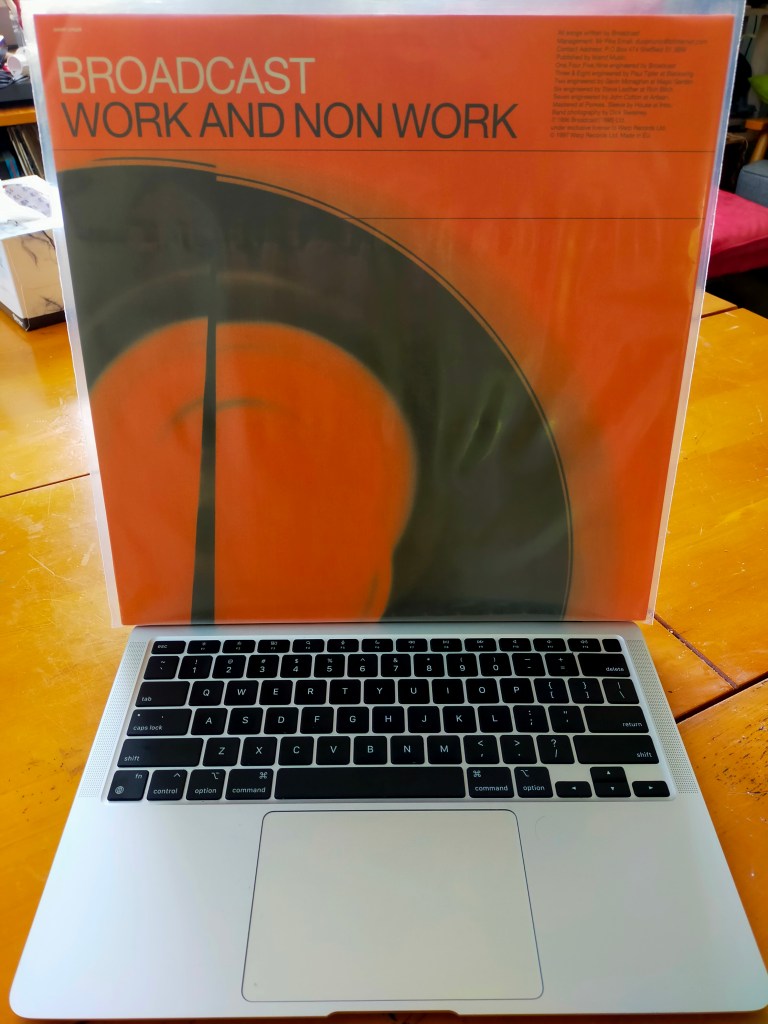
I first discovered this band in late 2021, I was building a playlist called Music for a Dad who was Cool in 1985 which had the intention of getting me to listen to music I liked but rarely listened to, and to discover new music that fit within the same vibe. A few of their tracks came up on various similar artist/suggested songs on Spotify, and whenever those songs came on the playlist I always was happy to hear them.
But it was really when I got a Deluge (synth/groovebox/drum machine/sampler thing) that I really got into them. While the most natural type of music to make on the Deluge is dance/electonic music like house, or hip hop type beats. I was wanting to try to use it to make more song structured music.
I started trying to separate music out into the instrumental layers that it was made out of while listening to see how something like that could be created on something like the Deluge.
Broadcast was a really great band to listen to explore this with. Their songs were built from three or four distinctive layers. Usually built from synths/organs/bass/drums each playing relatively simple loops. Some songs also have live instruments over the top, but they tend to stick to a similar formula. It seemed so achievable!
But they’re deceptively complex. The songs appear spacious despite having a lot happening at once. Tracks come in and out as the song moves forward. It feels like you’re listening to something that is moving together like a machine, not building just continuing, but then suddenly everything resolves together to a point that lurches forward into a new part of the song. They have loops that are more textural, but they also add both a melody and rhythm to the tracks, and get their turn to take centre stage in mid song.
The live drums an exception that sometimes bring quite a dynamism to the music, which somehow also works really well with the otherwise quite robotic sound.
Although English, the singer Trish Keenan has that flat European style of vocals that works so well with this style of music (labelled as indietronica by wikipedia, but I think that doesn’t quite cover it.) She sings in a nonchalant style, that matches the coldness of the synthesisers without feeling totally robotic.
I’m sure people who have a lot more musical skill than me could be able to recreate something like this easily. But the fact it sounds so simple but is not at all is what I love about it.
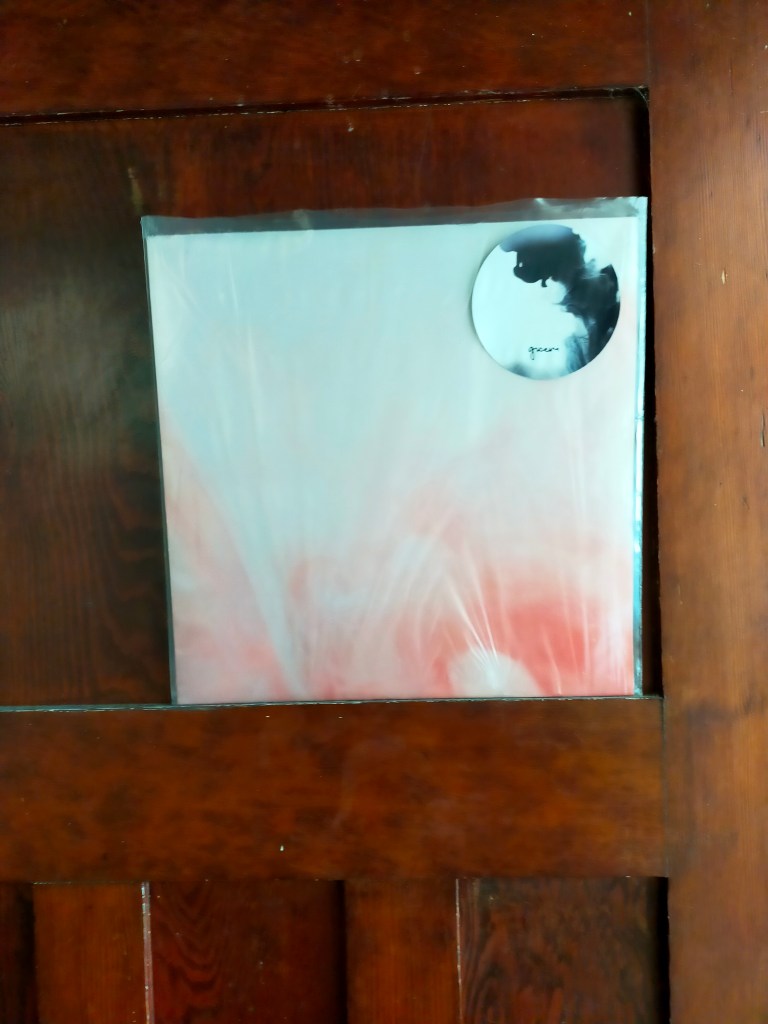
Although all their main releases are great, this collection of their first singles and EP has been what I’ve come back to the most and bought the record over summer.
Fave songs: Message from Home, Living Room, the World Backwards
Every Record I Own: The Renderizors – Vivid Cloud/Lucky Din
It’s kind of funny that this is the first Renderers album I’m writing about. As it’s not really a Renderers album, but also really speaks to what I love about the Renderers.
The Renderizors were a collaboration between The Renderers (one of my favourite ever NZ bands) and experimental music makers Sandoz Lab Technicians. They released an album in 2007 called Submarine.
Then in 2013 they released this album under the Renderizors names but without the Sandoz Lab Technicians. I’m sure they were given their blessing. It may have been to acknowledge the more experimental nature of this album, or to separate it from their official releases. Neither Renderizors album is mentioned on the band’s wikipedia page.
It was released by Grapefruit Records as part of their ‘Grapefruit Record Club’ which was a record subscription service. With releases vinyl exclusive and limited to 300 copies (mine is number 125). About half their releases are from New Zealand artists.
No MP3s surfaced online of this, and I had to get a copy of it. The price of subscription or even buying it singularly was out of reach with shipping costs, but I managed to get a copy on discogs sent to some friends who were in the US and they brought them back for me.
While this is experimental, I don’t see it as that far away of the other records The Renderers were releasing around this time. The Renderers have always played between sonic experimentation and quite standard song structure, and while this leans experimental, the song is never lost in noise.
The album is built on a layer of miscellaneous noise from electronics, guitars and samples from the street of Beijing. The noise shifts and moves around until a guitar chord rings out, or rhythms build from the noise. It feels like the songs are climbing out of the rubble. The songs very rarely grow or move beyond the initial idea. The instruments are played so sparingly and softly. The vocals are softer than typical. What does shift is the layer of noise underneath, which at this stage is unclear if it comes from the instruments or from a base layer swells up and down. The more instruments fade away and this layer takes centre stage, getting louder, hums evolve into drones, bleeps and squeaks almost create melody, and it happens again, a new song appears and takes shape.
There’s no clear point where the songs begin or end. The tracks are listed 1a, 1b, 1c (Aside from the last track, Chinese Sea which is more typical Renderers)
Most of the samples were recorded in Beijing in 2008 around the time of a massive earthquake, while Brian and Maryrose Crook were there while Maryrose was on an arts residency. The album was started in an art space in their hometown Christchurch, with their band at the time (which is the version of the Renderers I’ve seen live most and have very fond memories of) shortly before the earthquake brought that building down and the album was finished in Yucca Valley in the US where they moved after the quakes.
Earthquakes are felt throughout this album. The samples of city streets that get buried in noise. I’m sure some of the drones are manipulated samples of sirens. The way I described the record earlier wasn’t in direct reference to the earthquakes, but ended up sounding like it anyway. I really like it when themes in music are felt just as much sonically as they are lyrically.
It never comes across as violent. It’s definitely unsettling and messy at times but always feels natural.
I rate this as one of my favourite things the Renderers have ever done. A couple of songs have appeared on youtube, so you’re able to listen to them now. But the album as a whole can’t be found anywhere online. So you’ll have to visit me to listen to it.
I’ll come back to the Renderers many times.
Fave songs: City of Dust and Light, Light, Chinese Seas




 EAMONN MARRA